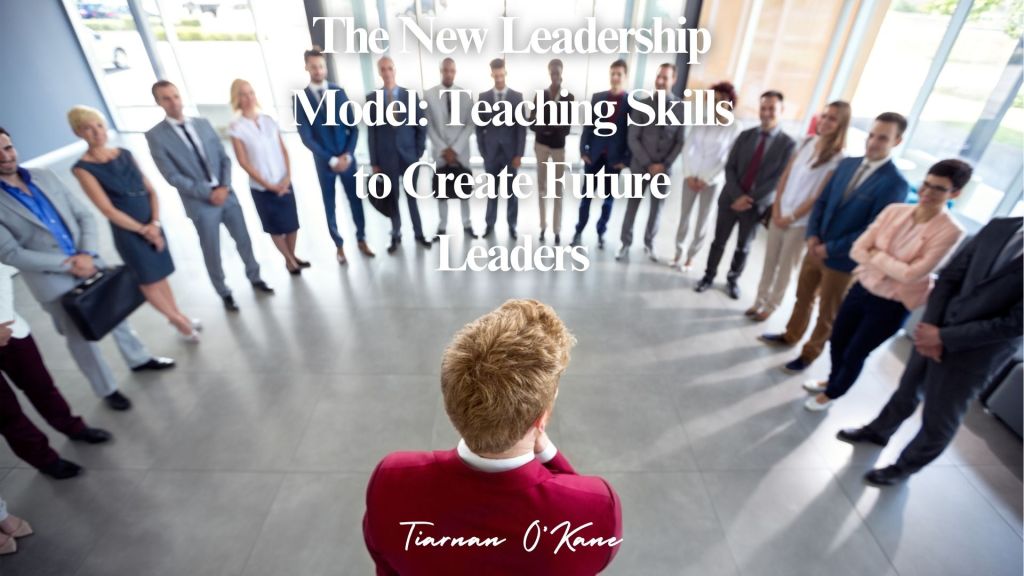
By Tiarnan O’Kane
In an era marked by rapid change and uncertainty, the paradigms of leadership are also evolving. The old adage of ‘leading from the front’ is gradually being replaced by a more nuanced understanding of what it means to guide and inspire. Today’s leaders are no longer expected to provide all the answers; instead, they are tasked with equipping their teams with the skills necessary to develop their own solutions. In this blog, we will explore the advantages of fostering independence and critical thinking in our future leaders.
The Shift in Leadership Philosophy
Traditionally, leadership was conceptualised as a top-down approach, where leaders were the repositories of knowledge and decision-making authority. This created an environment where followers were often reliant upon their leaders for guidance and support. While this model provided a semblance of security, it often stifled innovation and personal development within teams.
Encouraging Autonomy
Modern leadership philosophy emphasises the importance of fostering autonomy. By encouraging individuals to think critically and solve problems independently, leaders cultivate a culture of innovation. Here are some key benefits:
- Enhanced Problem-Solving Skills: Individuals learn to analyse situations, identify challenges, and develop solutions without immediate guidance.
- Increased Accountability: When team members are encouraged to make decisions, they also learn to own the outcomes, fostering a sense of responsibility.
- Boosted Confidence: Empowering individuals leads to increased self-esteem, as they realise their capabilities in overcoming obstacles.
- Diverse Perspectives: When autonomy is granted, a myriad of ideas and perspectives can flourish, enriching the decision-making process.
The Role of Mentoring in the New Model
To successfully shift from a directive to a developmental leadership approach, mentoring becomes paramount. Mentors serve not as solution-givers but as facilitators of learning.
What Makes a Great Mentor?
A great mentor embodies several key traits:
- Active Listening: They genuinely listen to their mentees’ thoughts, concerns, and ideas.
- Guiding Questions: Instead of providing answers, effective mentors ask insightful questions that provoke thought and encourage self-discovery.
- Patience and Support: Mentorship requires time and understanding, allowing mentees to stumble and learn from their mistakes.
- Sharing Experiences: Providing insights from personal experiences can serve as invaluable lessons for leaders-in-training.
Implementing the New Leadership Model
Transitioning to this new leadership model does not happen overnight. It requires intentionality and structure. Here are practical steps to implement this philosophy within organisations:
1. Encourage Continuous Learning
Creating a culture that values learning is essential. Provide resources such as training workshops, online courses, and reading materials, allowing employees to develop skills that enhance their problem-solving abilities.
2. Facilitate Open Dialogue
Encouraging open communication creates an environment where individuals feel safe to express their thoughts and ideas. Regular feedback sessions can help reinforce this culture of discussion.
3. Set Clear Goals
While autonomy is essential, setting clear and achievable goals ensures that individuals have direction. This can lead to more focused efforts that align with broader organisational objectives.
4. Recognise and Reward Independence
Celebrating successes that stem from independent decision-making fosters a sense of pride and motivation among team members. Recognition reinforces the value of the new model.
The Future of Leadership
As we move further into the complexities of the modern world, the need for adaptable and innovative leaders has never been greater. Those who can empower others to lead themselves will not only navigate challenges more effectively but also foster cultures rich in creativity and initiative. The new leadership model—one that champions teaching skills over merely presenting solutions—could very well shape the future of our organisations, encouraging resilience and self-sufficiency in all individuals.
Conclusion
The journey towards fostering excellent future leaders is one that requires dedication and a shift in mindset. By prioritising skill development over the provision of simple solutions, we do not merely prepare our teams for the challenges they face today; we are equipping them to thrive in the uncertainties of tomorrow.
Let us embrace this new leadership model, and in doing so, unlock the potential of our future leaders.
#Leadership #Coaching #Mentoring #SkillDevelopment #FutureLeaders #Autonomy #Innovation #ProblemSolving #PersonalGrowth #Empowerment #tiarnanokane
 Tiarnan O'Kane
Leave a comment